|
Yoga is a sister science of Ayurveda and together they offer a complete approach to obtaining and maintaining health and balance of body, mind and spirit. Building a foundation with Ayurvedic diet and lifestyle guidelines will support individual Yoga practice and optimize health benefits. A personalized approach to Yoga practice always takes Dosha (constitutional type) and current imbalances into consideration.
Dosha
The three doshas (Vata, Pitta, Kapha) govern all functions of the body. A dosha-appropriate practice will balance the body, whereas incompatible practice can exacerbate problems.
Vata- the energy of movement (air+space)
some of the main attributes are: cold, rough, dry
Typical Vata imbalances include nervous system disorders, insomnia, constipation and arthritis. A person with more Vata likes movement and has a tendency towards hyperactivity. Initially enthusiastic, Vata can get overwhelmed, losing focus and becoming irregular with their practice. Vata's body type tends to be thin and light and sometimes suffers from brittle bones that need to be protected. Flexibility is normally good but not matched by strength. Holding poses without attention to alignment can injure the joints. Fast-paced poses can imbalance Vata over time.
Vata Dosha needs calming, grounding yoga poses and meditative rest periods to restore the nervous system. Standing postures such the tree pose and mountain pose help to root and calm Vata emotions (anxiety, fear, worry). Seated forward bends aid in reducing constipation. Strength poses such as the crane aid in circulation. Warming up the body before any workout and protecting with warm clothing is especially important for Vata. Sipping warm water (before and after practice) keeps Vata hydrated. Practicing at the same time every day and sticking to a routine will help to regulate Vata. The program should be designed to emphasize the qualities of warm, heavy, stable and moist in order to nourish and support Vata.
Pitta- the energy of digestion and metabolism (fire+water)
some of the main attributes: hot, sharp, light
Pitta disorders include skin diseases, ulcers, acidity and diarrhea. Pitta has a tendency toward heated emotions (anger, resentment and judgment), competitiveness and extremism. Pitta people normally like exercise and tend to push for hard workouts and regimens. Avoid competitive practice, inverted poses which increase heat in the head and head stands. Bikram Yoga and highly aerobic practice with profuse sweating is not recommended.
Pitta can be pacified with cooling practices such as moon salutations and meditation. Calming and cooling poses that compress the solar plexus, such as the cobra and the bow, help to dissipate excess heat. Program should be designed to emphasize moderation, decrease stimulation, and increase the qualities of cool, heavy and slow to calm and support Pitta.
Kapha- the energy of lubrication and structure (earth+water)
some of the main attributes are: damp, cool, stable, slow
Kapha imbalances include respiratory disorders, asthma, excess weight, diabetes and depression. Because of tendency towards lethargy and laziness the Kapha body can become dull and stagnant. Kapha may warm up slowly to a regular yoga practice. Bones and joints are normally solid and less prone to injury. Kapha needs stimulating vigorous forms of exercise and Yoga. Sun salutation performed with repetition and other dynamic practices such as yoga vinyasa (asana's that flow together) is beneficial. Standing poses that are held for longer periods and backbends are also good. Deep breathing and Pranayama to stimulate the lungs and move stagnant energy is recommended.
The challenge for kapha people is to to be motivated and keep going until they feel energized. Kapha should start out slowly with the practice and work up to increase endurance. Once a Kapha person has developed a regular routine, change can be challenging for Kapha personalities, therefore changing the routine periodically is recommended. Exercise should be done daily for at least one hour. This improves Kapha metabolism and overall energy levels. Exercising early in the morning (around 6am) is the best time. Practice should be stimulating, energizing and invigorating and emphasize the qualities of fast, light, dry and warm.
|
|
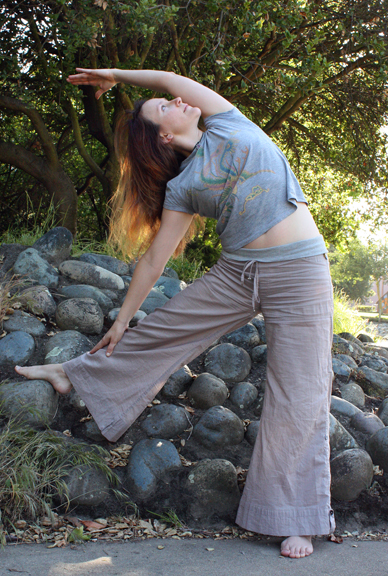
Yoga Pose
Shakti Healing Consultation
To learn about your Dosha and identify imbalances see Elke for an Ayurvedic Consultation. She will help you design an individualized healing and preventative regimen including appropriate Yoga practice for you. Elke is certified as a Yoga teacher and Yoga Therapist true the Niroga Institute niroga.org
Private Yoga Therapy
Therapeutic Yoga can improve and heal many chronic conditions such as repetitive stress injuries, sciatica, back pain, joint problems and recovery after surgery. Various health conditions such as cardiovascular, immune system and nervous system imbalances as well as anxiety and depression can all benefit from a regular practice. Increase your
Elke will design a restorative home program for your that increases strength, flexibility and balance and is realistic for your condition, preferences and lifestyle. Your practice can include Asana, Pranayama, Yoga Nidra, Visualization and Meditation.
60 minute Sessions $80
If you are immobile, outcall's can be arranged
Please call Elke at 510-525-2956
or send a message.
|